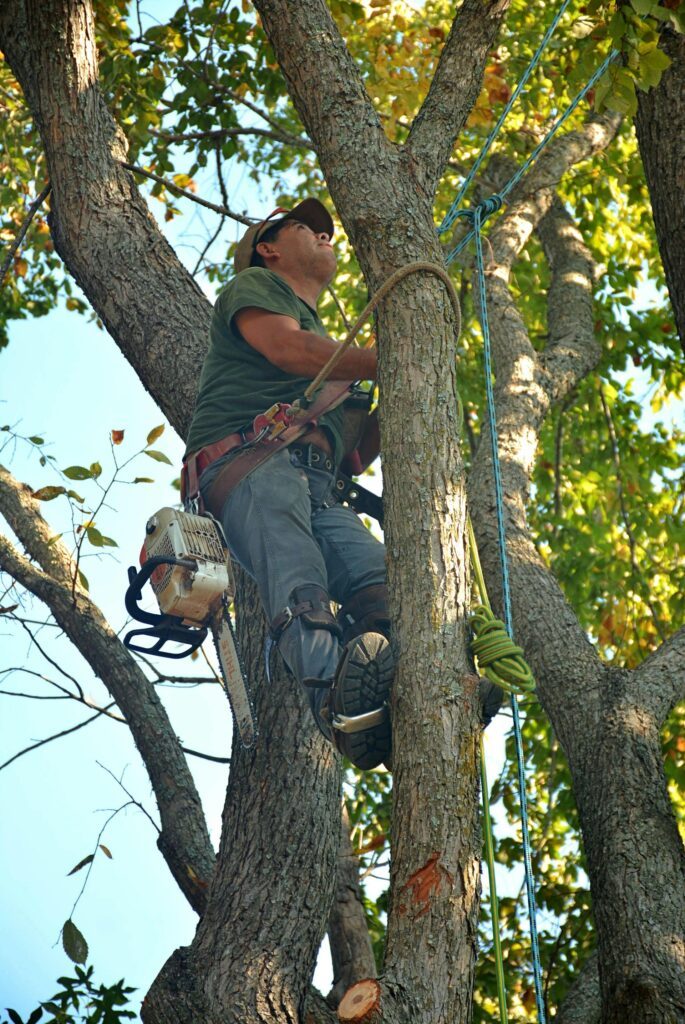
A well-maintained tree is healthy, safe, and attractive. A tree that hasn’t been trimmed in years becomes overgrown, develops weak limbs, loses its shape, and becomes a liability — branches hang over roofs, parking areas, or power lines, dead wood becomes a fall risk, and the tree itself declines.
Regular tree trimming keeps your trees strong, prevents hazards, and maintains the appearance of your property. Unlike tree removal, trimming is maintenance work that extends a tree’s life and keeps it safe.
We provide professional tree trimming and pruning for Murfreesboro homeowners and property managers who want to keep their trees healthy and their yards safe.
Benefits of professional tree trimming and maintenance
Many property owners assume trees do not need attention until they become a problem. That is when trimming should have been happening years earlier. Regular trimming prevents problems, extends tree life, and keeps your property safer.
- Prevents safety hazards: Weak, overhanging, or dead branches are fall risks. Trimming removes these hazards before they become emergencies.
- Maintains tree health: Removing dead wood, improving air circulation, and clearing crossing branches keeps the tree stronger.
- Prevents storm damage: Trees with weakened structures are more likely to fail during storms — trimming strengthens the canopy.
- Improves property appearance: A well-trimmed tree looks intentional and cared-for.
- Protects roofs, gutters, and siding: Trimming keeps branches at a safe distance from structures.
- Keeps power lines clear: Professional work maintains clearance, and we can coordinate with utilities when needed.
- Encourages new growth: Proper pruning stimulates healthy new growth and can rejuvenate older trees.
Tree trimming services for different situations
- Crown cleaning: Removes dead, diseased, and crossing limbs without changing the tree’s shape.
- Crown thinning: Selective removal of live branches to increase light penetration and reduce wind resistance.
- Crown raising: Removes lower branches to create clearance over driveways or yards.
- Crown reduction: Shortens the height and spread of a tree that is too large for the space.
- Hazard limb removal: Targets specific limbs that are dead, weak, or likely to fail.
- Vista trimming: Improves views and sight lines without removing the entire tree.
Professional trimming techniques and standards
- No topping: We never top trees. Instead we thin and raise the crown to preserve health.
- Proper pruning cuts: Cuts are made outside branch collars so trees heal cleanly.
- Remove the three D’s: Dead, diseased, and declining wood is removed first.
- Maintain tree structure: Selective thinning keeps the natural shape of the tree.
- One-third rule: We generally remove no more than one-third of live foliage in a year.
Tree trimming vs. tree removal
Trimming is the right choice when a tree is healthy but has hazardous branches, needs shape correction, or must be kept smaller. Removal is the better option when the tree is dead, leaning, structurally unsound, damaging landscape features, or posing a hazard that trimming cannot fix.
Best timing for tree trimming
The ideal window for most Murfreesboro trees is late winter to early spring (February through April) when trees are dormant or just leafing out. Late fall is also acceptable, while summer is harder on tree health and availability. Spring-flowering trees should be trimmed after blooming, and diseased trees may need attention year-round.
If you are unsure about the schedule, mention the species when you request an estimate and we will recommend the best timing.
Tree trimming for different property types
We trim trees for:
- Residential properties — from single trees to multiple-yard cleanups.
- Commercial and multi-family properties — scheduled maintenance keeps properties safe and well-maintained.
- Property management — one-time trims or scheduled programs for landlords and property managers.
Common questions
- How often should trees be trimmed? Most healthy trees benefit from trimming every 3–5 years.
- Is trimming the same as pruning? Yes. The techniques are the same; trimming typically refers to larger jobs and pruning to detailed work.
- Will trimming hurt my tree? Not when done correctly — it improves health.
- How much does trimming cost? Cost depends on tree size, scope, and access.
- Do you trim trees near power lines? Yes. We coordinate with utilities when necessary.
- Do you remove debris? Yes, all branches and debris are hauled away unless you request otherwise.
Request a tree trimming estimate
Keep your trees healthy and your yard safe. Request a free estimate and we will assess your trees, recommend the right maintenance, and provide a plan to keep them strong.